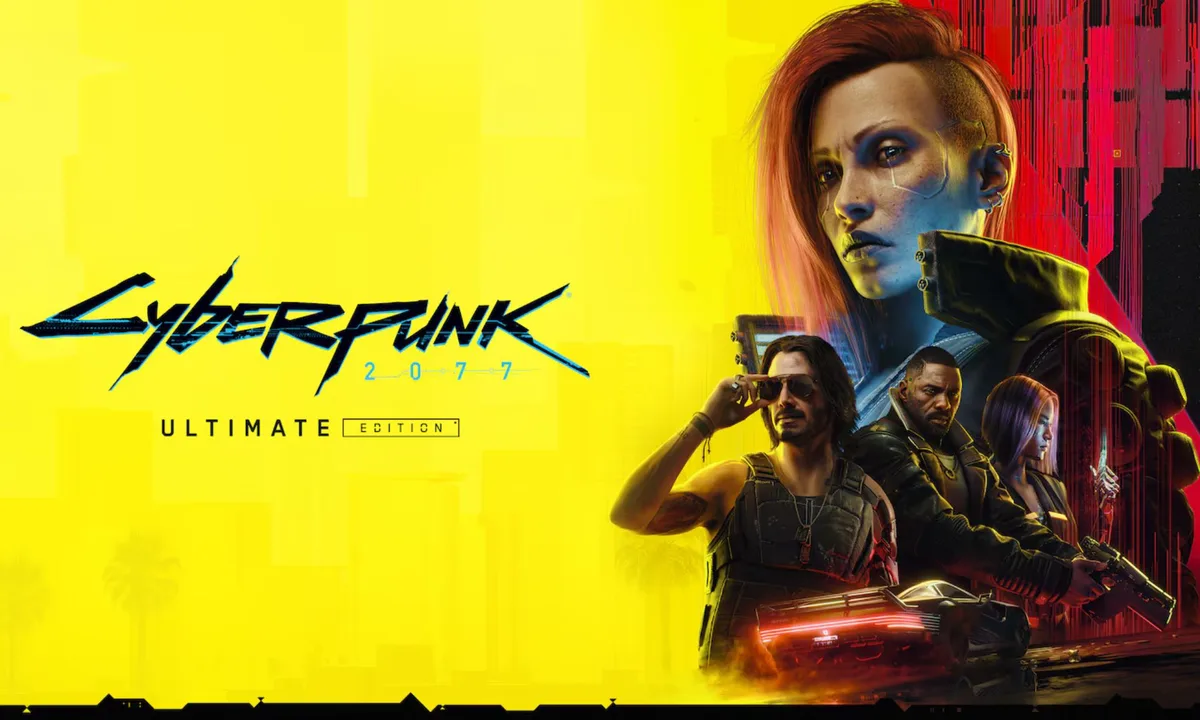
A popular fan-made VR mod for Cyberpunk 2077 is no longer available, sparking a familiar debate about paid mods and publisher control. CD Projekt Red issued a Digital Millennium Copyright Act (DMCA) notice removing the Cyberpunk 2077 VR mod, created by well-known VR mod developer Luke Ross, effectively shutting it down after nearly four years of availability.
The mod, first released in early 2022, allowed players to explore Knight City in full VR, significantly enhancing the immersive experience for VR headset users. It was widely praised in the VR community and became one of Ross’s most popular projects.
What led to the removal?
The mod itself wasn’t the issue; access to it was restricted behind a paywall. Although CD Projekt Red has long supported free mods for Cyberpunk 2077 and The Witcher 3, charging for a mod that uses its intellectual property is a violation of the company’s legal boundaries.
Ross addressed the content removal directly in a candid and impactful Patreon post titled “Another Fallen.” He confirmed that CD Projekt Red contacted him through its legal team, diminishing the chances of negotiation.
“CD Projekt S.A. has decided to follow Take-Two Interactive Software’s lead and has issued a Digital Millennium Copyright Act (DMCA) notice against me,” Ross wrote. He accused the company of applying what he called “rigid corporate logic,” arguing that publishers expect mod developers to work for free while prohibiting any form of financial support.
Ross also rejected the notion that his virtual reality framework constitutes derivative work, stating that it simply enables games to be rendered in immersive 3D and does not reuse any company’s assets. He added, “The end result is all that matters, and to hell with the players.”
Despite this setback, Ross made it clear he wouldn’t abandon VR modding. In the same post, he announced a new VR mode for Baldur’s Gate 3, which will again be available via a paid subscription.
There’s still hope for Cyberpunk 2077 fans, however, as Flat2VR Studios has publicly expressed its desire to collaborate with CD Projekt Red to produce an officially licensed VR version of the game.
This comes at a difficult time for VR players, following Meta’s recent withdrawal from VR gaming after layoffs at its Reality Labs division. It also highlights a long-standing tension: while game studios typically praise modding communities, these relationships can quickly unravel once money enters the equation.