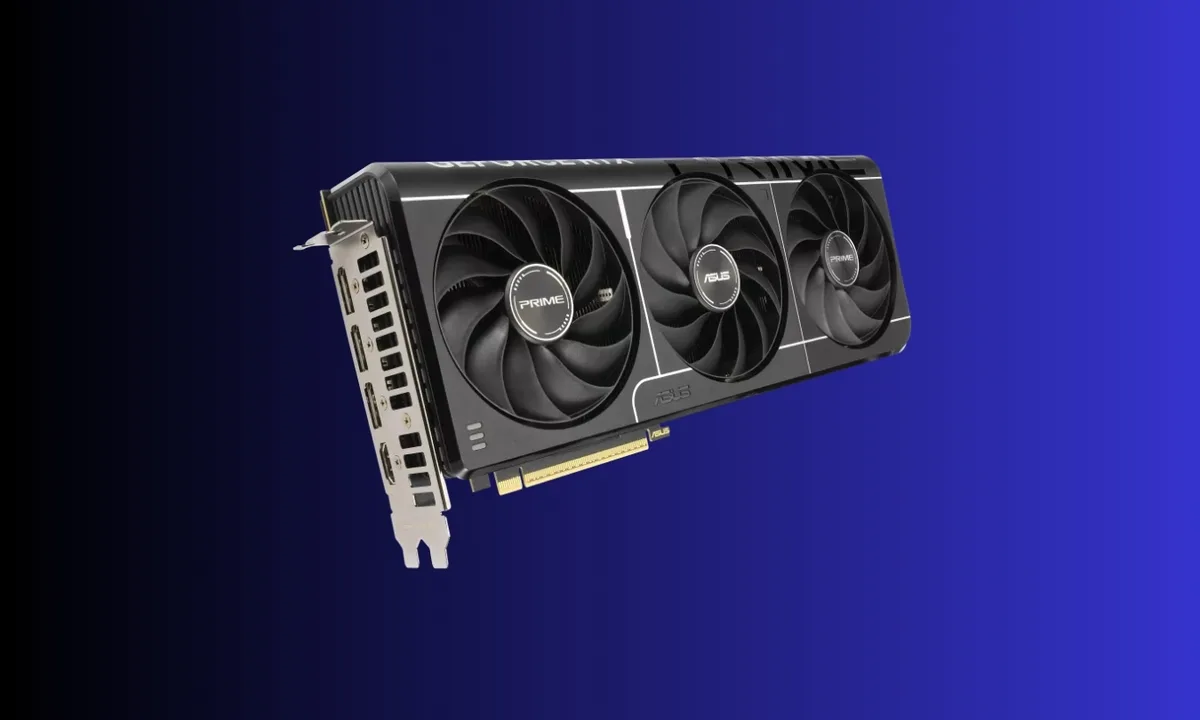
Purchasing an NVIDIA RTX 5070 Ti graphics card has become increasingly difficult, and the shortage is evident at checkout. Speculation surrounding the RTX 5070 Ti’s discontinuation stems from the withdrawal of manufacturing partners, despite no official announcement from NVIDIA.
ASUS has announced the end of its RTX 5070 Ti models and confirmed there are no plans to produce more due to supply shortages. This leaves shoppers scrambling for remaining stock.
ASUS has ceased production of its cards
Following Hardware Unboxed’s report, an important clarification was added. ASUS did not claim that NVIDIA informed them of the discontinuation of the RTX 5070 Ti, but rather explained that its 5070 Ti cards have reached the end of their lifespan due to limited supply.
This aligns with what some Australian retailers are experiencing, where stores have reported being unable to order new stock of the 5070 Ti through partners or distributors. The shortage is expected to persist until at least the end of the first quarter.
NVIDIA has also acknowledged pressure on the production line, attributing it to strong demand and limited memory supply. The company confirmed it is shipping GeForce units and working with suppliers to increase memory availability.
Prices Soar in Two Markets
As the number of available cards dwindles, the minimum price is rising. Since November, the cheapest RTX 5070 Ti in the US has jumped from around $730 to around $830.
Australia has seen a similar increase, from around AU$1,200 to around AU$1,400. Retailers there are also warning of further price hikes as the supply shortage continues.
This isn’t just bad luck. The 5070 Ti is hugely popular with buyers who want high performance without breaking the bank.
How to Take Advantage of the Shortage
If you’re shopping now, treat any reasonably priced RTX 5070 Ti as a once-in-a-lifetime opportunity. Once the remaining units are sold out, there’s no clear indication of when a stable supply will return.
Your next best options come with some compromises. Upgrading to an RTX 5080 typically means paying more for the same 16GB of GDDR7 memory, while the AMD RX 970 XT might benefit simply because it’s available in this price range.
Another factor raising questions is the anticipated RTX 50 Super update. Reports indicate that rising memory costs have delayed or even jeopardized its release, eliminating the possibility of a price adjustment.
If you need to upgrade this quarter, set a fixed price ceiling and buy when you reach it. If you don’t need an upgrade, consider waiting and reassessing your options instead of being swayed by inflated prices.